


Is Your Concrete Driveway Slippery When Wet? Here’s How to Improve It
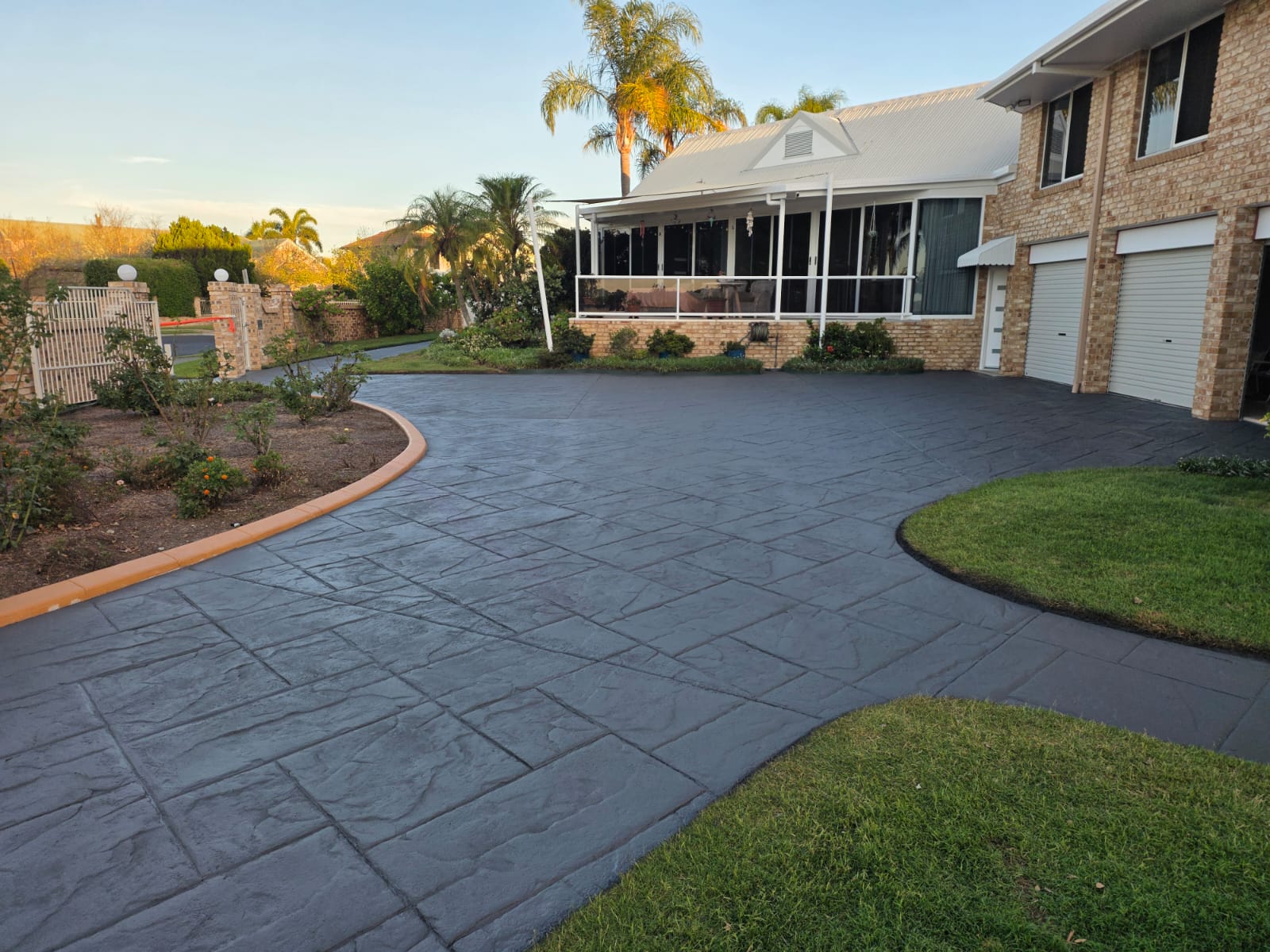
Your driveway and pathways are some of the most frequently used areas around your home. However, when concrete becomes slippery during wet weather, walking or driving across these surfaces can become a concern. For Brisbane homeowners, regular rainfall, humidity, dirt, leaves and organic growth can all contribute to slippery outdoor surfaces over time. An older concrete driveway may also become worn, faded or difficult to maintain. While it might still be in good condition, its surface may no longer provide the appearance or level of traction you want around your property. If you’ve noticed your driveway becoming slippery after rain, it’s worth understanding what causes the problem and what can be done to improve the surface. In this guide, we’ll explain the common reasons concrete driveways become slippery, how suitable driveway and pathway coatings can help, and what homeowners should consider before improving their outdoor concrete surfaces.
1. Dirt, Mould and Organic Growth on Concrete
One of the common reasons a concrete driveway becomes slippery is the build-up of dirt, grime, algae and other organic growth. Outdoor concrete surfaces are constantly exposed to changing weather conditions. In Brisbane, warm temperatures, humidity and regular rainfall can create conditions where organic growth develops, particularly in shaded areas that receive little direct sunlight. Over time, this build-up can make certain sections of your driveway or pathway slippery, especially when wet. Regular cleaning can help remove dirt and surface build-up before it becomes a bigger problem. However, if the concrete has significant staining or organic growth, a more thorough cleaning process may be needed. Professional pressure cleaning can help prepare the surface by removing accumulated dirt and grime. The cleaning method and pressure should be suitable for the condition of the concrete to avoid unnecessary surface damage.
2. Smooth or Worn Concrete Surfaces
Not all concrete driveways provide the same level of traction. Some surfaces have a textured finish, while others are relatively smooth. As concrete gets older, everyday vehicle traffic, foot traffic and weather exposure can gradually affect its surface. Previous sealers or coatings may also wear down, leaving sections looking uneven or polished. A smooth concrete surface can become particularly slippery when water sits on top of it. If your driveway has become worn or has a very smooth finish, applying a suitable coating designed for the intended use may help improve its appearance and provide additional surface texture. Before choosing a coating, it’s important to have the existing concrete assessed. The right solution will depend on its condition, existing finish and how the area is used.
3. Poor Drainage and Standing Water
Water pooling on your driveway or pathway can contribute to slippery conditions. When rainwater cannot drain away properly, it may collect in low spots or along sections of concrete. Combined with dirt, leaves and organic growth, these wet areas can become more difficult to walk across safely. Poor drainage can also affect how well a new coating performs if water movement and moisture problems are not considered before application. Before improving your driveway, check for areas where water regularly collects after rainfall. You may need to address drainage issues or have the surface assessed to determine the most suitable approach. A new coating alone will not correct an underlying drainage problem. Proper preparation and consideration of water flow are important parts of any driveway improvement project.
4. Using the Wrong Concrete Coating
Choosing the right coating is important when improving an outdoor concrete surface.
Not every concrete coating is designed for the same purpose. Some products are mainly intended to improve appearance, while others are designed for specific outdoor conditions and traffic requirements.
For example, applying a smooth or unsuitable sealer to a driveway may not provide the traction homeowners are looking for. In some situations, it may even make the surface more slippery when wet.
Before choosing a driveway coating, consider the following:
A suitable coating system should be selected according to the surface, intended use and manufacturer’s recommendations. At Divine Painting, we offer driveway and pathway coating solutions to help homeowners refresh their existing concrete surfaces and improve the overall appearance of their outdoor areas.
5. Skipping Proper Surface Preparation
One of the biggest mistakes homeowners can make is applying a new coating without preparing the existing concrete properly. Even if your driveway looks relatively clean, it may still have dirt, oil stains, loose coatings or other contaminants that need to be addressed before a new finish is applied. If these issues are ignored, they can affect how well the coating bonds to the concrete. Proper surface preparation may include:
The preparation method will depend on the condition of the concrete and the coating system being used. Taking the time to prepare the surface properly helps provide a more suitable foundation for the new coating and can reduce avoidable problems during application.
6. Ignoring Cracks and Damaged Concrete
A new driveway coating can improve the appearance of existing concrete, but it cannot automatically fix every underlying problem. Cracks, surface damage and uneven sections should be assessed before any coating work begins. For example, small surface imperfections may require suitable repairs before application. However, larger cracks, significant movement or damaged concrete may need more extensive attention. Simply covering these areas with a new coating may leave the underlying problems unresolved. Before proceeding with a driveway makeover, have the concrete inspected to determine whether repairs are needed. It’s also important to understand that coating over an existing concrete surface is different from replacing the concrete itself. If the slab has serious structural problems, resurfacing or coating may not be the right solution.
7. Applying Coatings in Unsuitable Weather Conditions
Brisbane weather can change quickly, particularly during periods of heavy rain and high humidity. Weather conditions are an important consideration when applying driveway and pathway coatings. Rain, excessive moisture and unsuitable temperatures can affect how certain products are applied and cured. For example, applying a coating to concrete that is still damp may affect adhesion. Rain arriving before the coating has cured sufficiently can also interfere with the finished result. A professional contractor should consider the weather forecast, surface moisture and product instructions before starting the application. Although waiting for suitable weather may delay the project, allowing the coating to be applied under the right conditions is important for achieving a quality finish.
8. Choosing a Colour Without Considering Your Home’s Exterior
A driveway is one of the first things people notice when approaching your property. Improving its appearance can make a noticeable difference to your home’s overall street appeal. However, choosing a driveway colour without considering the rest of your home may result in an outdoor area that doesn’t complement the property. Before selecting a coating colour, consider your:
Neutral shades such as grey, charcoal and lighter concrete tones are popular choices for modern homes. The right colour will depend on your property’s exterior design and personal preference. You can also consider coordinating your driveway and pathway finishes to create a more consistent appearance throughout your outdoor spaces.
9. Forgetting About Regular Cleaning and Maintenance
Even after applying a new driveway or pathway coating, regular maintenance is still important.
Outdoor surfaces are constantly exposed to vehicle traffic, foot traffic, dirt, leaves and changing weather conditions. Without proper care, surface build-up can gradually affect the appearance and condition of the coating.
To help maintain your driveway, consider the following:
Regular maintenance can help keep your driveway looking presentable and allow you to identify potential problems before they become more noticeable.
How Can You Improve a Slippery Concrete Driveway?
If your driveway or pathway becomes slippery when wet, the first step is to understand what is causing the problem.
Depending on the condition of the concrete, there may be several ways to improve the surface and its overall appearance.
Here is a simple checklist to help you get started:
Remember, no coating can guarantee a completely slip-free surface in every weather condition. The condition of the concrete, drainage, contamination and correct product selection all play an important role. Taking the right steps can help improve your outdoor concrete surfaces and make them more suitable for everyday use.
Frequently Asked Questions About Slippery Concrete Driveways
Why does my concrete driveway become slippery when it rains?
Concrete driveways can become slippery due to dirt, algae, mould, smooth surface finishes and accumulated moisture. Older concrete surfaces may also lose some of their original texture over time.
Can driveway coatings help make concrete less slippery?
Yes. Certain driveway coating systems are available with textured or non-slip finishes that can help improve surface traction. However, the right product needs to be selected according to the condition and intended use of the concrete.
Is pressure cleaning enough to fix a slippery driveway?
Pressure cleaning can help remove dirt, grime and organic growth that may contribute to slippery conditions. However, if the concrete has a naturally smooth or worn finish, additional surface improvements may be needed.
What is the best coating for a slippery concrete driveway?
The most suitable coating depends on the existing concrete, the amount of vehicle or pedestrian traffic and the finish you want. A textured coating designed for outdoor use may be worth considering. Always check the manufacturer’s specifications before choosing a product.
Can I apply driveway coatings over existing concrete?
In many cases, driveway coatings can be applied to existing concrete, provided the surface is in suitable condition. Proper cleaning, preparation and repairs may be required before application.
How long does a driveway coating last?
The lifespan of a driveway coating depends on the product, surface preparation, application quality, traffic and ongoing maintenance. Following the manufacturer’s care recommendations can help maintain the finished surface.
Can driveway coatings be applied to pathways as well?
Yes. Suitable concrete coating systems can also be used on pathways, depending on the condition of the surface and the intended use. Coordinating driveway and pathway finishes can help create a more consistent appearance around your home.
Should I replace my concrete driveway or have it coated?
It depends on the condition of the existing concrete. If the slab is generally sound and only needs a surface improvement, a suitable coating may be an option. However, extensive cracking, significant movement or structural damage may require more substantial repairs or replacement.
Give Your Driveway and Pathways a Fresh New Look
A slippery, faded or worn driveway doesn’t have to take away from the appearance of your home. With suitable surface preparation and the right driveway or pathway coating system, you can refresh your existing concrete and improve the look of your outdoor spaces. For Brisbane homeowners, choosing the right approach means considering more than just the colour or finish. The condition of the concrete, weather exposure, surface preparation and intended use all matter when planning a driveway improvement project. At Divine Painting, we help homeowners improve the appearance of their outdoor concrete surfaces with driveway and pathway coating solutions. Whether you’re looking to refresh an old concrete driveway, improve the appearance of your pathways or coordinate your outdoor surfaces with your home’s exterior, we’re here to help you explore suitable options. If your driveway is looking tired or you’re concerned about slippery areas when wet, get in touch with Divine Painting to discuss your project.
Ready to brighten up your home?
Visit our Driveway & Pathway Coatings page to learn more about our services, or contact Divine Painting to enquire about improving your outdoor concrete surfaces.
Divine Painting – helping Brisbane homeowners refresh and care for their homes.


