


How to Choose Exterior Paint Colours for Your Brisbane Home
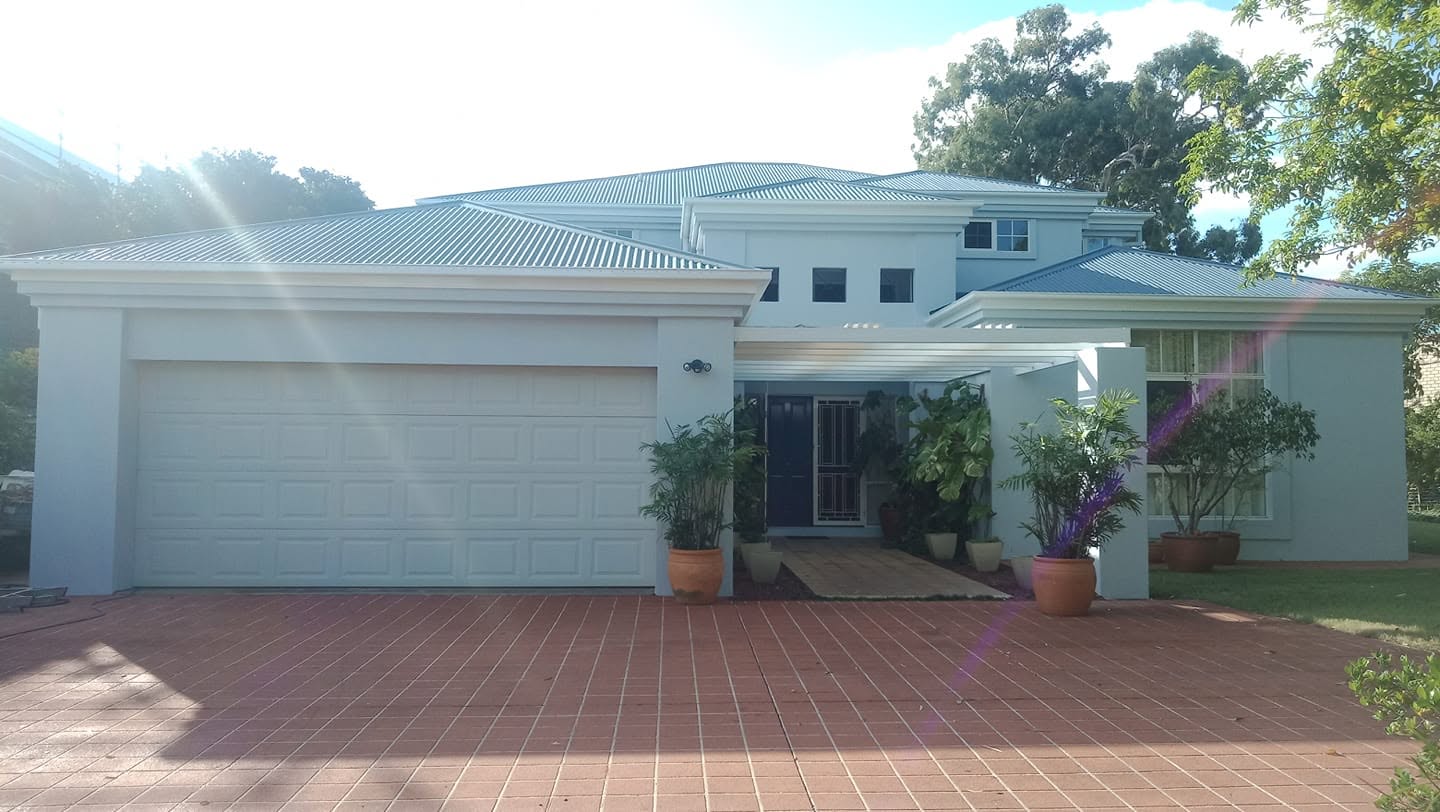
Choosing a new colour for your home’s exterior can make a bigger difference than you might expect. The right combination can refresh an older property, complement your roof and landscaping, and give your home a more welcoming appearance. But with so many exterior paint colours available, where do you start? For Brisbane homeowners, colour selection involves more than choosing a shade that looks good on a small sample. Strong sunlight, changing weather conditions, roof colours and the style of your property can all influence how the finished result looks. Whether you’re planning to repaint a traditional Queenslander, a modern rendered home or a brick house, taking the time to plan your colour scheme can help you achieve a result you’ll be happy with for years to come. In this guide, we’ll cover practical ways to choose exterior house paint colours, coordinate different parts of your property and prepare for a successful exterior painting project.
Why Does Choosing the Right Exterior Paint Colour Matter?
Your home’s exterior is one of the first things people notice. A well-planned colour scheme can help bring together the roof, walls, gutters, fascias, doors and other architectural features. It can also help highlight the details you like most about your property. For example, a light wall colour paired with a darker roof can create a clean, balanced appearance. A carefully chosen accent colour can draw attention to a front door or decorative trim without making the whole exterior feel too busy. On the other hand, colours that clash or compete with one another may make the property look less coordinated. The aim isn’t necessarily to follow the latest trend. It’s to choose colours that suit your home’s design, work well together and reflect the look you want to achieve.
1. Start With Your Existing Roof Colour
Before choosing exterior wall paint, take a look at your roof.
The roof covers a large part of your home’s exterior and can strongly influence which wall colours work best.
If your roof is staying the same colour, use it as a starting point for the rest of your colour scheme.
Dark Roofs
Charcoal, deep grey and other dark roof colours can work well with light exterior walls. White, warm off-white and soft grey tones may create a clean contrast without making the property look overly complicated.
For a more contemporary appearance, you could also consider muted neutral colours, provided they complement the roof and other exterior features.
Light Roofs
Lighter roof colours can work with a range of wall shades, including soft neutrals, warm whites and selected earthy tones.
The best combination depends on the roof’s undertone and the style of your home.
Terracotta Roofs
Terracotta roofs often have warm red, orange or earthy undertones. Warm whites, creams, sandy neutrals and selected muted greens can complement these colours.
Very cool wall colours may look different beside a warm terracotta roof, so it’s worth testing samples before making a decision.
A practical tip: If you’re planning to restore your roof and repaint your house, consider the two projects together. Coordinating the roof and wall colours can help create a more consistent finish across the entire property.
2. Choose a Colour Scheme That Suits Your Home’s Style
Different home styles can suit different exterior colour combinations.
You don’t have to follow strict rules, but considering the architecture can help narrow down your choices.
Traditional Queenslander Homes
Queenslander homes often feature timber details, verandahs, decorative trims and raised structures.
Depending on the property, a colour scheme may include a main wall colour, a contrasting trim colour and a separate shade for doors or other features.
Soft whites, heritage-inspired greens and muted earthy shades may suit some traditional homes, while other properties can work well with a simpler modern palette.
Consider the existing timber, roofing and architectural details before settling on a final combination.
Modern Rendered Homes
Modern rendered houses often suit clean, coordinated colour schemes.
White, warm grey, beige and other neutral tones can create a simple appearance, while a darker accent colour may be used on selected features.
If the property already has a dark roof, gutters or window frames, consider how the wall colour will balance those elements.
Brick Homes
Brick homes may not require every wall to be painted. However, painted trims, fascias, garage doors and other features can still influence the overall appearance.
If you are painting previously unpainted brick, carefully consider the decision and the preparation requirements before proceeding.
Where painting is appropriate, select colours that complement the existing brickwork rather than competing with its natural tones.
3. Understand Warm and Cool Paint Colours
Warm colours often have yellow, red or brown undertones. Examples include cream, beige, warm white and selected earthyOne of the easiest ways to narrow down exterior paint options is to understand the difference between warm and cool colours.
Warm Colours shades.
These colours can complement timber, terracotta roofing and natural landscaping.
Cool Colours
Cool colours often have blue, green or cooler grey undertones.
They may work well with modern architectural features, cooler roof colours and selected metal finishes.
Neutral Colours
Neutral colours include many whites, greys, beiges and greiges. They are popular because they can work with different architectural styles and exterior materials.
However, not all neutrals are the same. A white with a warm undertone can look quite different from a cooler white when placed next to a charcoal roof or dark window frames.
When comparing paint samples, look at the undertones rather than choosing a colour based on its name alone.
4. Consider Brisbane’s Strong Sunlight
A paint colour can look different outside than it does under indoor lighting. Brisbane’s strong sunlight can make some exterior colours appear brighter, while shadows and surrounding surfaces can change how other shades are perceived. For this reason, it’s best to test your preferred colours on the actual exterior before committing to a full painting project. Look at the samples in the morning, around midday and later in the afternoon if possible. Notice how they appear in direct sunlight and in shaded areas. Also consider how much of the wall is exposed to sunlight. A colour used across a large exterior surface may feel more intense than it did on a small sample card. Taking time to assess colours in their intended setting can help reduce the chance of disappointment once the job is complete.
5. Coordinate Your Walls, Gutters and Fascias
Your exterior walls are only one part of the overall colour scheme. Gutters, fascias, downpipes, window frames, garage doors and front doors can all affect the finished appearance. A coordinated scheme doesn’t mean every feature needs to be the same colour. Instead, each colour should have a clear purpose. For example, you might choose a light neutral for the main walls, a darker shade for the gutters and fascias, and a complementary colour for the front door. Alternatively, you may prefer a more uniform appearance where the gutters and trims blend into the walls. Before choosing the colours, look at the property as a whole. Consider the roof, driveway, fencing and landscaping as well as the wall surfaces. This can help you avoid choosing a colour that looks attractive on its own but doesn’t work well with the rest of the property.
6. Decide Whether You Want a Light, Dark or Neutral Exterior
There is no single best exterior colour for every Brisbane home. The right choice depends on your preferences and the property itself.
Light Exterior Colours
White, off-white and other light colours can create a bright, fresh appearance.
They may also help a property feel visually open, particularly when paired with suitable trim colours.
However, the amount of dirt or staining that becomes visible will depend on the product, surface texture and surrounding conditions.
Dark Exterior Colours
Dark grey and charcoal tones can create a bold, contemporary appearance.
They may work particularly well on selected features, trims or modern architectural designs.
When considering darker colours, ask your painting contractor about the suitability of the selected product for the surface and its exposure to sunlight.
Neutral Exterior Colours
Neutral shades can provide a versatile middle ground. They can work with a range of roofing materials and landscaping styles without making the colour scheme overly complicated.
If you’re unsure where to start, comparing several warm and cool neutral samples can help you identify the direction that suits your property.
7. Think About the Finish as Well as the Colour
Paint colour isn’t the only factor that influences how your home looks. The finish also matters. Different products may offer different sheen levels, and the appropriate finish depends on the surface and the manufacturer’s recommendations. Some finishes reflect more light, while others create a softer appearance. The condition of the existing surface should also be considered. Certain finishes may make surface imperfections more noticeable than others. When selecting an exterior paint product, discuss both colour and finish with your painting contractor. The right choice should suit the surface, the intended appearance and the conditions the coating will face.
8. Test Paint Samples Before Making Your Final Decision
Choosing a colour from a screen or a small sample card can be difficult because colours may look different depending on lighting and surrounding materials. Before ordering paint for the entire house, consider testing a few shortlisted colours on the property. Here are some useful tips:
If you’re comparing colours from different manufacturers, use their official colour samples and product information. A little extra planning at this stage can help you feel more confident about the final result.
9. Don’t Forget Surface Preparation Before Painting
Even the best colour choice won’t produce a good finish if the existing surface hasn’t been prepared properly. Exterior walls can develop peeling paint, dirt, mould, cracks and other problems over time. These issues should be assessed before the new coating is applied. Depending on the property, preparation may include cleaning, removing loose paint, repairing suitable surface defects and applying an appropriate primer. Different materials require different preparation methods. Rendered walls, timber, masonry and previously painted surfaces should be assessed according to their condition and the selected coating system. It’s also important to allow surfaces to dry properly and follow the manufacturer’s application requirements. If you’re arranging exterior painting, ask your contractor what preparation is included in the quote and whether any repairs are needed before painting begins.
10. Choose Paint Products Suitable for Your Exterior Surface
Exterior paints are designed for particular surfaces and conditions. Choosing a product should involve more than selecting a colour. Consider the surface material, existing coating, exposure to the weather and the manufacturer’s recommendations. For appropriate exterior applications, products such as Dulux Weathershield may be considered, subject to the surface and product requirements. Your painting contractor should recommend a suitable system based on the property and the work involved. Keep in mind that exterior paint can provide a suitable finish and help protect compatible surfaces, but it cannot replace repairs to structural damage or resolve the underlying cause of persistent moisture.
Common Mistakes to Avoid When Choosing Exterior Paint Colours
Choosing a colour only from a screen. Screens can display colours differently from actual paint samples, and outdoor lighting can change how a colour appears.
Ignoring the roof colour. Your roof is a major visual feature. Wall colours should complement it, particularly if the roof isn’t being repainted.
Selecting too many competing colours. A scheme with too many unrelated shades may make the exterior look busy. A simple palette is often easier to coordinate.
Forgetting the gutters and trims. These features can significantly affect the final result, even if the main wall colour looks good.
Choosing a product based on colour alone. The paint must also be suitable for the surface and the conditions it will face.
Rushing the decision. Testing samples and comparing options in natural light can help you avoid making a choice you later regret.
Frequently Asked Questions About Exterior House Paint Colours
What are popular exterior house paint colours in Australia?
Many Australian homeowners consider whites, off-whites, greys, beiges and earthy neutrals. The most suitable option depends on the home’s design, roof colour and personal preference.
What exterior paint colour works with a charcoal roof?
Light neutrals, warm whites and selected muted shades can complement a charcoal roof. Test samples against your actual roof and exterior features before choosing.
What colours suit a terracotta roof?
Warm whites, creams, sandy neutrals and selected earthy colours may work well with terracotta roofing. The exact choice depends on the roof’s undertones and the rest of the property.
Should my gutters and fascias match my roof?
They don’t have to match. Some homeowners prefer a coordinated look using similar tones, while others choose contrasting colours. The best option depends on the appearance you’re trying to achieve.
How do I know if an exterior paint colour will look right in sunlight?
Test the colour on the actual exterior and compare it at different times of day. This helps you see how the shade responds to direct sunlight and shadow.
Can I repaint my home a completely different colour?
In many cases, yes. The surface condition, existing coating and coverage requirements should be considered, and the selected product must be suitable for the exterior material.
Brighten Up Your Home With Divine Painting
Choosing exterior paint colours is an opportunity to give your property a fresh look and bring its different features together. By considering your roof colour, architectural style, natural lighting and exterior surfaces, you can develop a colour scheme that suits your home and your preferences. At Divine Painting, we help homeowners explore exterior painting options for their properties across Brisbane and surrounding South East Queensland areas. If you’re planning to refresh your home’s exterior, our team can discuss suitable painting options and help you take the next step.
Ready to brighten up your home?
Visit our Exterior Painting page to learn more about our services, or visit Divine Painting to enquire about your project.
Divine Painting — helping Brisbane homeowners refresh and care for their homes.


