


Exterior House Painting in Brisbane – How to Protect Your Home
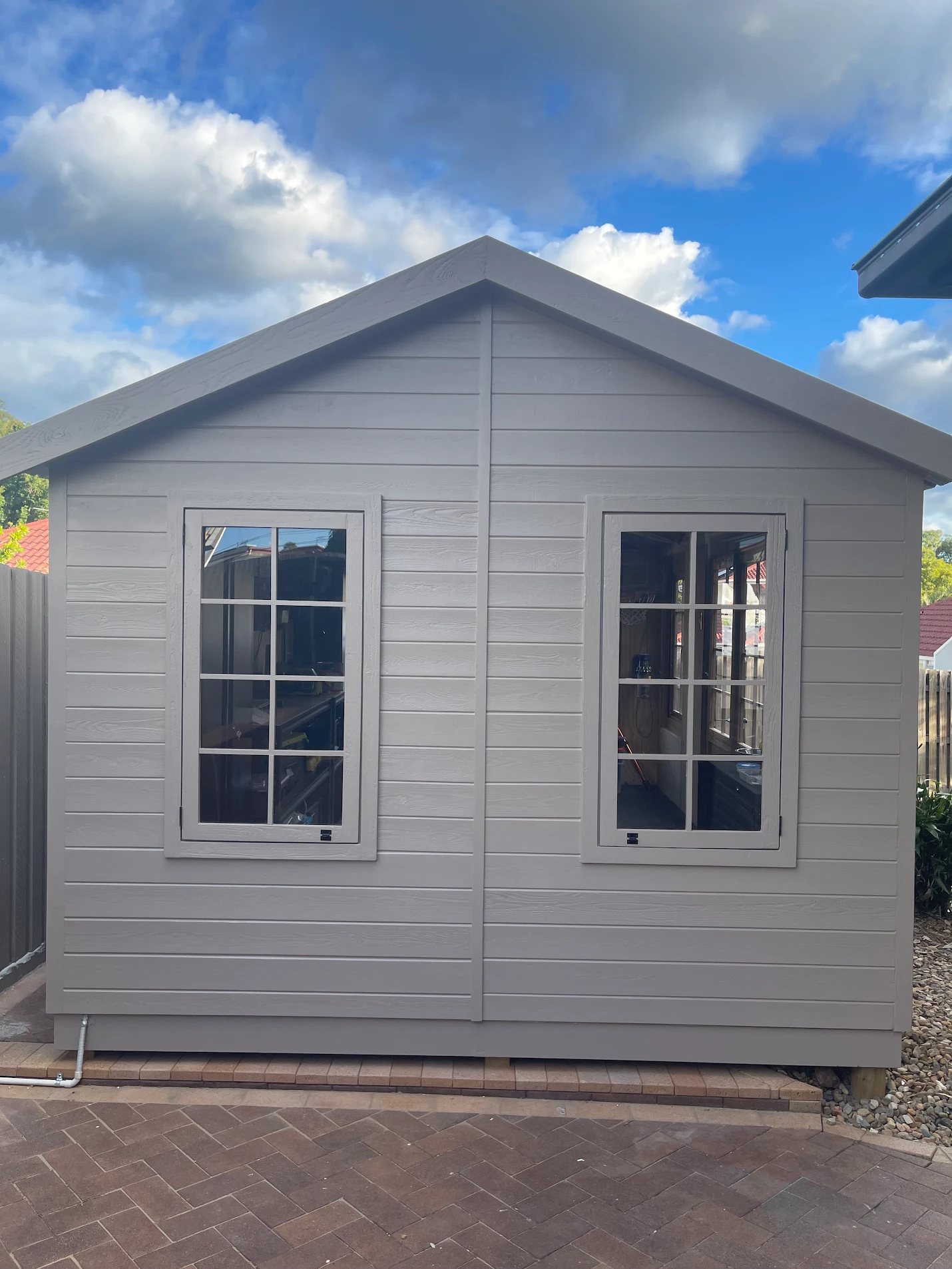
Give Your Home a Fresh Look With Exterior Painting
Your home’s exterior is exposed to the elements every day. Brisbane’s strong sunshine, humid conditions, rain and seasonal storms can gradually affect painted surfaces, leaving them faded, chalky, cracked or peeling. Over time, these changes can make a home look tired, even when the rest of the property is well maintained. A professional exterior house painting project can refresh your home’s appearance while providing a suitable protective finish for its exterior surfaces. It can also be a good opportunity to address areas where the existing paint has deteriorated and bring different parts of the property together with a consistent colour scheme. However, a great result starts well before the first coat of paint is applied. Understanding the preparation process, selecting suitable products and planning the work around the weather can make a real difference to the finished job.
Why Does Exterior Paint Deteriorate?
Exterior paint is designed to withstand outdoor conditions, but no coating remains unchanged forever.
Several factors can contribute to deterioration.
Sun exposure: Strong ultraviolet radiation can gradually affect paint colour and finish. Some surfaces may become chalky or lose their original appearance.
Rain and moisture: Water can expose weaknesses in existing coatings, particularly where surfaces have cracks, poor drainage or damaged paint.
Humidity: Moist conditions can affect drying times and may encourage mould or mildew to develop on suitable surfaces.
Poor preparation: Dirt, loose paint, moisture or an unsuitable previous coating can affect how well new paint adheres.
Age and wear: Over time, painted surfaces naturally require maintenance. Areas exposed to more sunlight, rain or physical contact may deteriorate sooner than sheltered sections.
Recognising these issues early can help you plan maintenance before the property requires more extensive preparation or repairs.
1. Look for These Signs Your House Needs Repainting
You do not necessarily need to repaint your entire home just because one wall looks worn. However, several signs suggest it may be time for a closer assessment.
These symptoms can have different causes. For example, peeling paint may be associated with moisture or inadequate adhesion rather than simply old age. The cause should be investigated before applying a fresh coat. Otherwise, the same problem may return even after the new paint has been applied.
2. Proper Surface Preparation Makes the Difference
One of the most important parts of exterior painting is preparing the surface correctly. Painting over dirt, loose paint or damaged areas can compromise the finish. A professional painting process generally starts by assessing the surface and identifying what needs to be done before coating begins. Depending on the property, preparation may include:
Different materials need different preparation methods. Rendered walls, timber, masonry, previously painted surfaces and metal components should not automatically be treated in the same way.
For homes with significant cracking, water damage or deteriorating render, additional repairs may be needed before painting.
A new coat of paint should finish a properly prepared surface, not hide an unresolved problem.
3. Choosing Paint for Brisbane’s Weather
Not every exterior paint is suitable for every surface.
When selecting a coating, consider the substrate, its condition, the level of weather exposure and the manufacturer’s recommendations.
For example, a suitable exterior wall paint for a rendered surface may differ from a product intended for timber or metal.
Some exterior products are formulated to provide weather resistance and help the surface retain its appearance under outdoor conditions. However, the performance of a coating depends on selecting the correct product and applying it as directed.
Divine Painting uses suitable exterior painting products for the surface and requirements of each project. Where relevant, products such as Dulux Weathershield or Dulux Acrashield may be considered for appropriate exterior applications.
Always confirm the product’s current technical information, including surface suitability, preparation requirements and recommended application conditions.
4. How to Choose Exterior Colours That Suit Your Home
Colour selection can change the entire appearance of a property. A fresh exterior colour scheme can help a home look more modern, complement its surroundings or highlight architectural details. Before choosing a colour, consider the following. Your roof colour: The roof is a large visual feature, so the wall colour should work well with it. Gutters and fascias: Matching or coordinating these features can create a more unified appearance. Your home’s style: Traditional homes may suit different combinations from contemporary rendered houses. Natural light: Colours can look different depending on the time of day and the amount of direct sunlight. The surrounding property: Driveways, fencing, landscaping and neighbouring buildings can influence how a colour scheme looks. Neutral shades can provide a versatile starting point, while carefully selected accent colours can add character to doors, trims or other features. It is a good idea to review colour samples in the actual setting before committing to a large painting project.
5. Should You Paint the Whole Exterior at Once?
That depends on the property’s condition, your budget and the areas that need attention. Some homeowners choose to repaint only the most weathered sections. Others prefer to repaint the whole exterior to achieve a consistent finish. Painting several connected surfaces together can be worthwhile when the existing colours are mismatched or when one newly painted section would look noticeably different from the rest. For example, a project may include exterior walls, timber features, fences, gutters or garage doors, depending on the scope of work. Planning these elements together also allows you to coordinate colours and consider the order in which the work should be completed. A professional assessment can help you prioritise the surfaces that need attention and establish a practical scope.
6. Why Weather and Drying Times Matter
Exterior painting depends on suitable weather and surface conditions. Rain can interfere with application and drying, while high humidity, excessive heat or direct sunlight may affect how a particular product behaves. The acceptable conditions vary by product. Following the manufacturer’s guidance is important for achieving the intended finish. Your painting contractor should consider the forecast, the surface temperature, drying times and the requirements of the coating system when scheduling the work. This is particularly relevant in Queensland, where weather can change quickly during warmer months. A rushed application is not worth the risk of a poor finish or avoidable coating problems.
7. How to Maintain Your Freshly Painted Exterior
Once your home has been repainted, regular maintenance can help preserve its appearance
.
A few practical habits can make a difference:
If you notice a small area of deterioration, identifying the cause early may help prevent the problem from spreading.
How Often Should You Repaint Your Home?
There is no universal repainting schedule for every house. The timing depends on the type of surface, the quality and condition of the existing coating, the property’s exposure to the weather and how well it has been maintained. A sheltered wall may remain in good condition longer than a surface exposed to intense sunlight or driving rain. Instead of relying only on the number of years since the last paint job, look at the actual condition of the surfaces and seek professional advice where needed.
Frequently Asked Questions
Can exterior painting help protect my home?
A suitable exterior coating can help protect compatible surfaces from ordinary weather exposure. It cannot replace repairs to structural damage, water entry or other underlying problems.
Can you paint over peeling exterior paint?
Loose and failing paint generally needs to be removed and the underlying cause investigated. Simply painting over peeling areas can lead to further failure.
What is the best paint for a rendered house?
The right product depends on the render, its condition, previous coatings and the manufacturer’s recommendations. Choose a coating specifically suitable for the surface.
Can I change my house colour completely?
Yes, a different colour scheme may be possible. Surface preparation, the existing colour and the coverage requirements of the new product should be considered.
Brighten Up Your Home With Divine Painting
A fresh exterior can make a real difference to the way your home looks and feels. With suitable preparation, carefully selected colours and the right coating system, exterior painting can help refresh your property and maintain its appearance. Divine Painting provides exterior painting services for homeowners across Brisbane and surrounding South East Queensland areas. Explore our exterior painting services or visit our homepage to enquire about a painting project. Suggested image alt text: Exterior house painting in Brisbane with freshly painted walls and coordinated roof and trim colours.


