


Why Does Roof Paint Peel After Restoration? 7 Things Homeowners Should Know
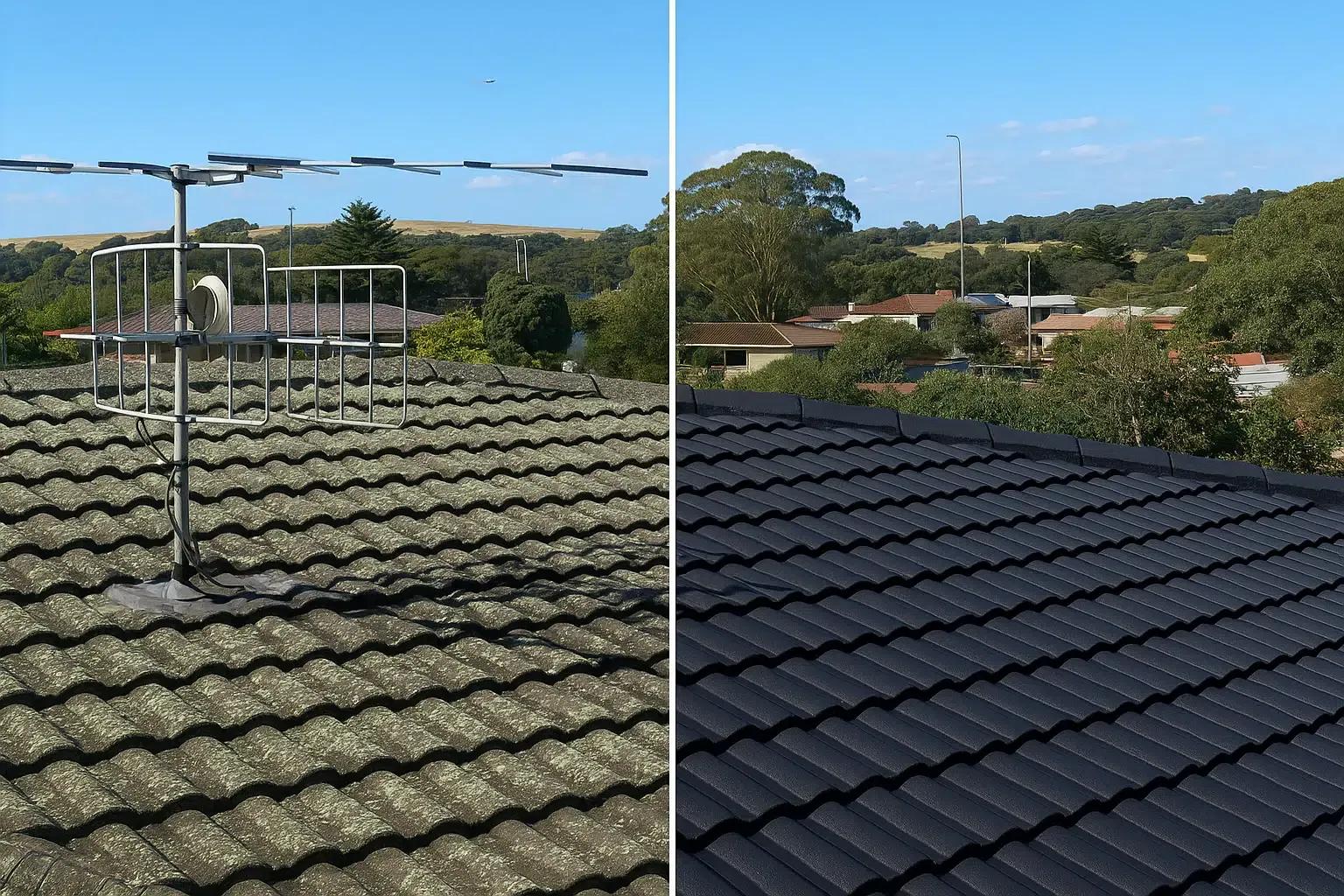
Having your roof restored is a great way to improve the appearance of your home and help protect it from Brisbane’s changing weather conditions. A freshly painted roof can make an older property look much better, but what happens when the paint starts peeling, flaking or losing its finish after restoration? For homeowners, this can be frustrating, especially after investing money in improving their roof. You naturally expect the new coating to look good and last for years. Roof paint peeling can happen for several reasons, including poor surface preparation, incorrect product application, moisture problems and the use of unsuitable coating systems. Understanding these issues can help homeowners make better decisions when choosing a roof restoration contractor. In this guide, we’ll explain seven common reasons roof paint may peel after restoration, what to look out for and how to help prevent coating problems on your Brisbane home.
1. Poor Roof Cleaning and Surface Preparation
One of the most common reasons roof paint may peel is inadequate surface preparation before applying the new coating. Before any roof coating is applied, the existing surface needs to be properly cleaned and prepared. Over time, roofs collect dirt, dust, moss, lichen and other organic growth. These contaminants can affect how well a new coating bonds to the roof. If the roof is not cleaned thoroughly, the new paint may stick to the dirt or loose material instead of the actual roof surface. Professional roof restoration typically includes high-pressure cleaning using a suitable method for the roof type and condition. This helps remove accumulated dirt, loose coatings and organic growth before further preparation takes place. The roof should also be inspected after cleaning to identify any remaining problem areas that need attention. Proper preparation provides a cleaner surface for the coating system and helps reduce the risk of premature peeling or flaking.
2. Applying Roof Paint Over a Damp Surface
Moisture is another important factor that can affect the performance of roof coatings. Brisbane experiences periods of heavy rainfall and high humidity, making it important to ensure the roof is sufficiently dry before applying coatings. If roof paint is applied while the surface is still damp, moisture can interfere with the bond between the coating and the roof. This may lead to problems such as:
Before applying any roof coating, the contractor should consider the weather conditions and allow sufficient drying time after cleaning. It’s also important to follow the product manufacturer’s instructions regarding surface moisture, application conditions and drying times. Taking the time to ensure the roof is properly dry can help achieve a more consistent and reliable finish.
3. Using the Wrong Primer or Skipping the Priming Process
Primer plays an important role in many roof restoration coating systems. Depending on the roof material and existing surface condition, the correct primer may be required to help the coating bond properly. For example, older cement tiled roofs, metal roofs and previously painted surfaces can have different preparation and priming requirements. Using an unsuitable primer or skipping a required priming step may affect how well the new coating adheres to the surface. Before starting a roof restoration, the contractor should identify the roof type and select products that are compatible with the existing material. For metal roofs, preparation may involve treating rusted areas and addressing deteriorated coatings before applying the appropriate primer. For cement tiled roofs, the surface may require a suitable sealer or primer depending on its condition and the coating system being used. Following the correct preparation and priming process helps provide a suitable foundation for the remaining roof coating layers.
4. Using Poor Quality or Unsuitable Roof Coatings
Not all roof paints and coatings are designed for the same purpose. A roof is constantly exposed to sunlight, rain, humidity, wind and changing temperatures. These conditions can gradually affect the appearance and performance of an unsuitable coating. Using products that are not designed for the particular roof material or outdoor conditions may increase the risk of premature deterioration. When choosing a roof restoration contractor, it’s worth asking what coating products they use and whether they are suitable for your roof. Some important things to consider include:
At Divine Painting, we use established roof coating systems, including Globalcote products, depending on the roof type and restoration requirements. For homeowners looking for a premium membrane coating option, Globalcote Elastacote is one of the products that may be considered as part of a suitable metal roof restoration system. Choosing the right products for the roof and following the manufacturer’s application instructions are important parts of achieving a quality finish.
5. Applying Coatings Incorrectly
Even when the right products are selected, incorrect application can still affect the finished result. Roof coatings need to be applied according to the manufacturer’s recommendations. This includes following the correct application method, coverage rates, drying times and number of coats. Applying a coating too thinly, too heavily or under unsuitable conditions may lead to an inconsistent finish and affect its overall performance. Some common application problems include:
A proper roof restoration should involve more than simply applying a fresh layer of paint over the existing roof. Each stage needs to be completed carefully, from cleaning and repairs through to priming and applying the final coating system. Taking care during application helps create a more even finish and reduces the risk of avoidable coating problems.
6. Ignoring Existing Roof Damage Before Painting
A new roof coating can improve the appearance of your roof, but it cannot repair every underlying problem.
Before restoration begins, existing roof damage should be identified and addressed where necessary.
For cement tiled roofs, this may include cracked or broken tiles, deteriorated ridge pointing and damaged sections that need replacement or repair.
For metal roofs, rusted areas, loose or deteriorated screws and flaking existing coatings may need attention before applying a new coating system.
If these issues are ignored, they can affect the condition of the roof and may contribute to problems with the finished coating.
A proper roof restoration should include an inspection of the existing roof and any necessary repairs before painting begins.
Addressing these problems first helps provide a more suitable surface for the new coating and supports the overall condition of your roof.
7. Brisbane’s Weather and Sun Exposure
Brisbane’s weather can be demanding on exterior surfaces, including roofs. Long periods of strong sunlight, high temperatures, heavy rainfall and seasonal storms can gradually affect roof coatings over time. Even a properly applied coating will experience normal weather exposure throughout its service life. However, applying roof paint during unsuitable weather conditions can create additional problems. For example, excessive heat may cause coatings to dry too quickly, while rain arriving before the coating has dried sufficiently may affect the finished surface. Humidity and moisture can also influence application and curing times. This is why choosing the right time for roof restoration is important. A professional contractor should consider the weather forecast, roof surface conditions and product application requirements before starting the work. Following the manufacturer’s recommendations and allowing sufficient drying time between stages can help achieve a better result.
How Can You Prevent Roof Paint from Peeling After Restoration?
Although roof coatings naturally experience weather exposure over time, there are several steps homeowners can take to help reduce the risk of premature peeling and coating problems. Before choosing a roof restoration contractor, consider the following checklist:
Remember, a quality roof restoration is not just about choosing an attractive roof colour. The preparation, repairs, products and application process all play an important role in the finished result. Taking the time to understand these steps can help you make a more informed decision when restoring your roof.
Frequently Asked Questions About Peeling Roof Paint
Why does roof paint start peeling after restoration?
Roof paint can peel due to poor surface preparation, moisture, incorrect priming, unsuitable coating products or improper application. Identifying the cause is important before attempting any repairs.
How long should roof paint last after restoration?
The lifespan of roof paint depends on the coating system, roof material, preparation, application quality and weather exposure. Different products also have different expected service lives and warranty conditions.
Can you paint over peeling roof paint?
Not without addressing the existing problem first. Loose and peeling coatings generally need to be removed or treated appropriately, and the underlying surface should be assessed before applying another coating.
Does a roof need to be pressure cleaned before painting?
In most roof restoration projects, cleaning is an important preparation step. It helps remove dirt, organic growth and loose material that could affect the adhesion of the new coating. The cleaning method should be suitable for the roof material and condition.
Is primer necessary for roof restoration?
Primer or sealer requirements depend on the roof material, existing surface condition and coating system being used. Following the manufacturer’s recommendations is important when selecting the correct preparation products.
Can heavy rain affect freshly painted roofs?
Yes. Rain before a coating has dried or cured sufficiently may affect the finish and adhesion. This is why contractors need to consider weather conditions and product drying requirements before application.
Can a peeling roof coating be repaired without restoring the entire roof?
In some situations, localised coating repairs may be possible. However, if peeling is widespread or caused by an underlying preparation or adhesion problem, more extensive work may be needed. The roof should be inspected to determine the most suitable solution.
What should I check before hiring a roof restoration contractor?
Ask about their preparation process, roof repairs, coating products, number of coats, workmanship and warranty. A reliable contractor should be able to explain what is included in the restoration and why the selected coating system is suitable for your roof.
Give Your Roof the Proper Care It Deserves
Peeling or flaking roof paint can be disappointing, especially when you’ve recently invested in restoring your home. Understanding what causes coating problems is an important first step towards choosing the right roof restoration service. A quality roof restoration involves more than applying a fresh coat of paint. Proper cleaning, surface preparation, necessary repairs, suitable products and careful application all contribute to the finished result. At Divine Painting, we help Brisbane homeowners improve the appearance and condition of their roofs through professional roof painting and restoration services. Whether you have a cement tiled roof, terracotta roof or metal roof, our team can help assess your roof and discuss suitable restoration options. If your roof coating is peeling, fading or showing signs of deterioration, it’s worth having it inspected before the problem becomes more noticeable.
Ready to brighten up your home?
Visit our Roof Painting & Restorations in Brisbane page to learn more about our services, or contact Divine Painting to discuss your roof restoration project.
Divine Painting – helping Brisbane homeowners protect and refresh their homes.


